Historical timeline

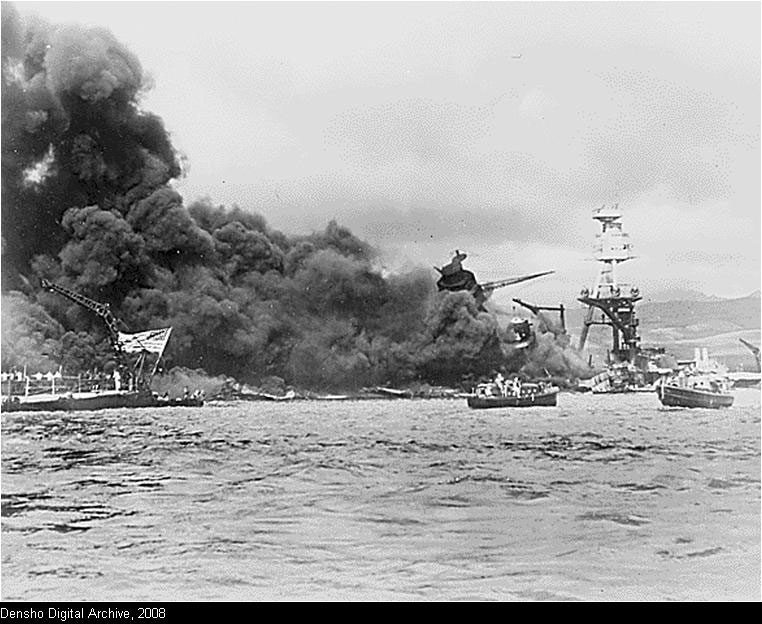
The history of World War II in the United States officially begins with the bombing of Pearl Harbor in December 1941. For those of Japanese ancestry in America, there is little doubt that the attack marked the beginning of a very harrowing time, when the nation would not only challenge their patriotism but also test their endurance and their faith in humanity.

Yet a look at the years leading up to World War II demonstrates that the seeds of this turmoil were sown well before the fateful attack on US soil. And although the war would end in 1945, Japanese Americans would feel its impact for decades to come.

This timeline offers a look into this history, when definitions of national loyalty, citizenship, courage and compassion were forged for all Americans.

Pre-1941

From the 1860s through 1940, Japanese immigration to the United States faced cycles of early settlement, legal restrictions, racial exclusion, and anti-Asian sentiment shaped by both US policy and international events.

1941

In 1941, the US ramped up Japanese-American surveillance and, after Pearl Harbor, arrested community members, imposed martial law, and opened internment camps.

1942

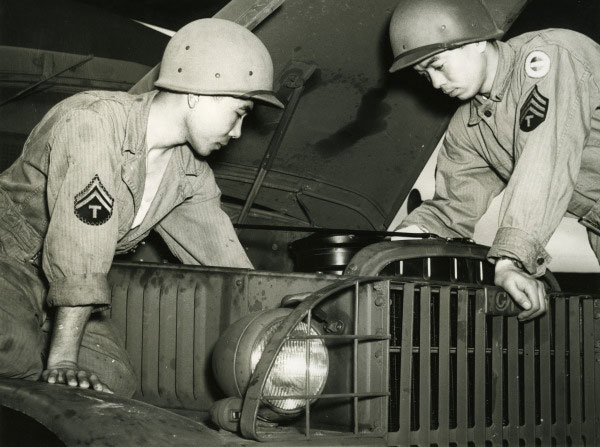
From January to December 1942, Japanese Americans were removed from military service, forcibly relocated to internment camps, and reclassified as “enemy aliens,” while many Nisei joined segregated military units and language programs to serve in intelligence and combat roles.

1943

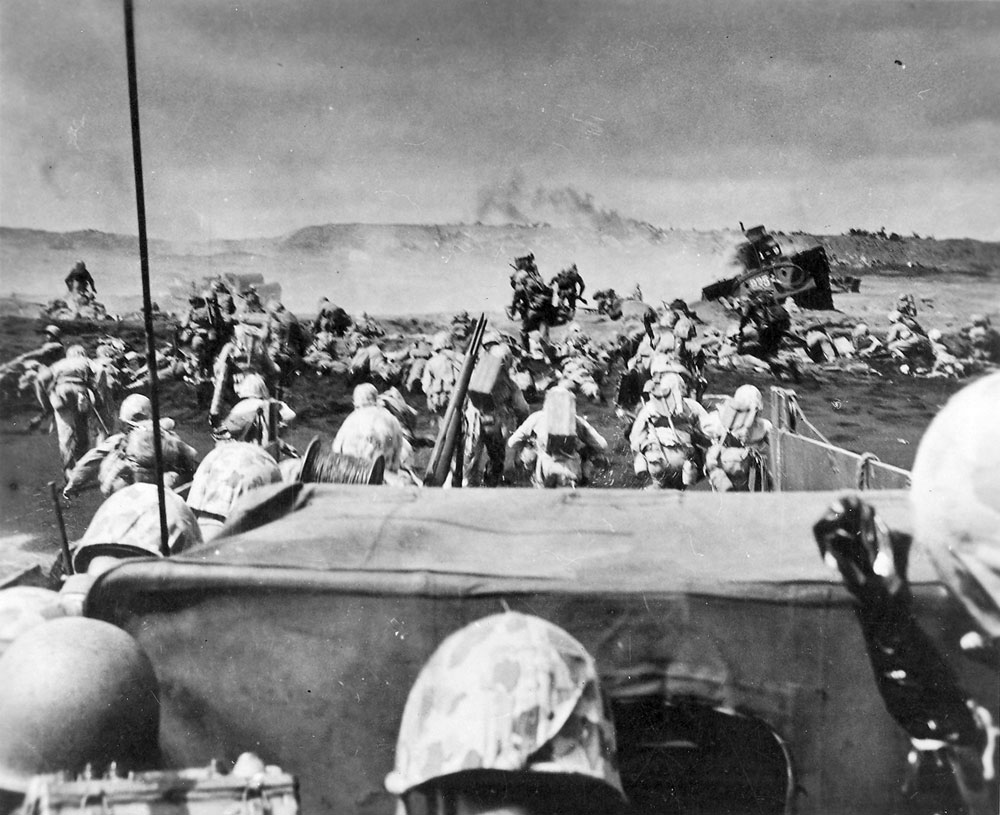
In 1943, Japanese American Nisei soldiers trained, volunteered despite internment, and served in intelligence and combat across the Pacific, North Africa, and Italy while facing prejudice at home.

1944

In 1944, Nisei served heroically abroad while internment began ending at home and the Supreme Court ruled on Endo and Korematsu.

1945

In 1945, MIS Nisei served across the Pacific and Europe, aiding combat, intelligence, prisoner rescue, and occupation efforts, while the war ended with Japan’s surrender and restrictions on Japanese Americans were lifted.

1946

In 1946, the last Japanese American internment camp closed, the MIS Language School relocated and graduated its final class, and Nisei soldiers returned home to public honors, including the 100th/442nd RCT receiving the Presidential Unit Citation.

Post-1946

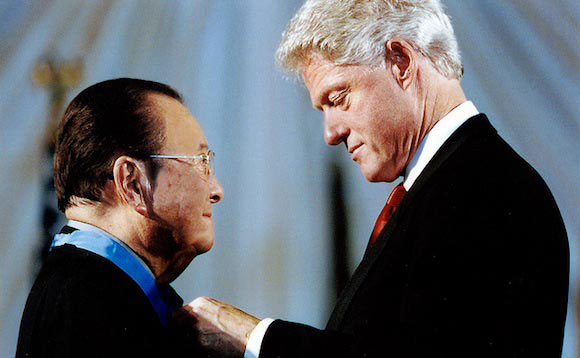
From 1947 to the present, Japanese Americans received pardons, legal victories, and redress for wartime injustices; Nisei veterans served in Korea and Vietnam, achieved political milestones, and were honored with Medals of Honor, Congressional Gold Medals, and monuments recognizing their military service and contributions to civil rights.